

What a web designer in Granada does beyond the visuals

Our technology, security and productivity blog also covers creativity and design. Here we explain what a web designer does and how that work fits into a project at in4byte.
A web designer shapes what visitors see and do. The work includes organising information, making navigation clear and giving the site a visual identity that fits the business.
A good design also helps a site work across devices and makes its content easier to find.
Topics: web design in Granada, information architecture, accessibility and search visibility.
Designing a website people can use and find
Design work typically covers:
Visual design and information architecture
A clear structure helps visitors find what they need and search engines understand how pages fit together. Relevant, well-sized images support both the content and page performance.
Mobile optimisation
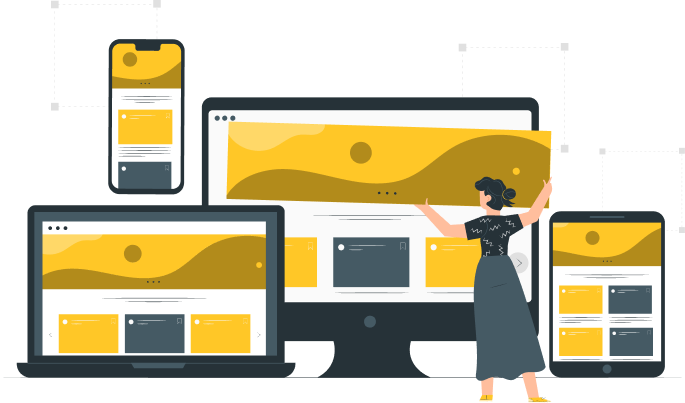
The site should work on phones and tablets. Check text size, touch targets and whether the navigation still makes sense on a narrow screen.
User experience
A good user experience starts with pages that load promptly and a site that helps visitors complete their tasks. Look for these qualities:
- Important information is easy to find.
- Buttons are visible and work.
- Navigation is clear and predictable.
- Forms are simple to complete.
For example, a customer may abandon a purchase if they can add an item to their basket but cannot find the basket or checkout.
Page load speed
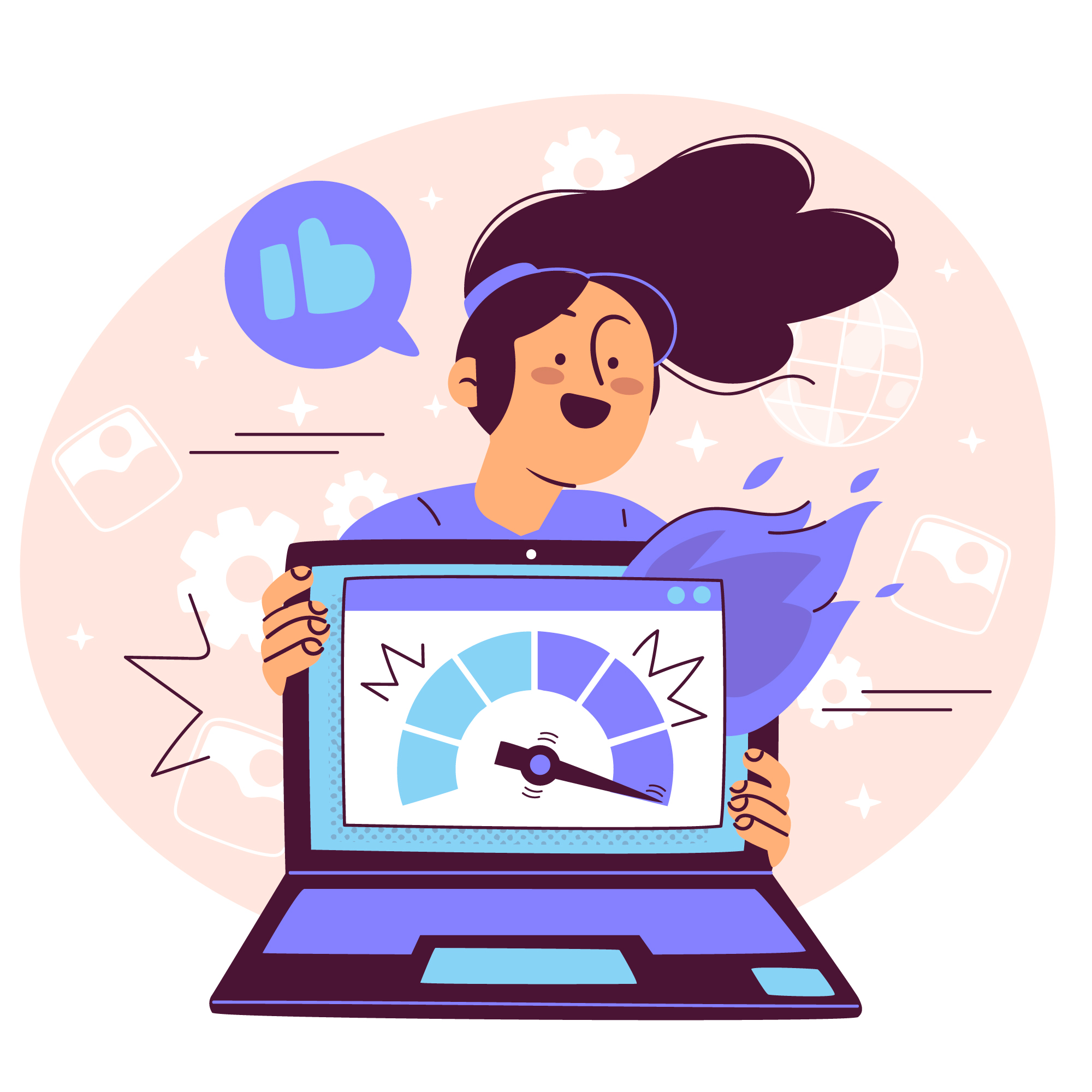
Slow pages frustrate visitors and can lead them to leave. Loading performance is also one aspect of page experience for search.
Accessibility
Accessibility means making the site usable in different circumstances. Breadcrumbs are one way to show visitors where they are in the site and how to go back to a broader section.
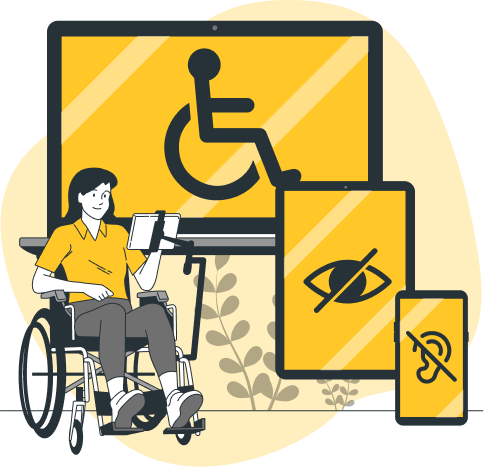
Accessible design helps visitors navigate, understand content and complete tasks. Designers can support it through structure, contrast and clear controls.
A logical heading hierarchy lets screen reader users scan a page. Descriptive alternative text conveys the purpose or meaning of important images.
Why accessibility matters
People may have vision, hearing or mobility impairments, use a slow connection, or have limited experience with technology.
Needs can change with age, a temporary injury or the situation someone is in. Accessible practices benefit a wide range of visitors.
A clear structure and descriptive text also help search engines interpret the content.
SEO integration and digital marketing
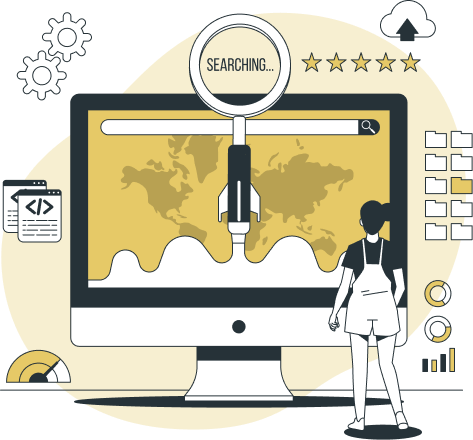
Designers build in the technical and visual foundations for search visibility, measurement and marketing.
Campaigns may use search, advertising, email, video or blog content. The site supports that work with focused landing pages, clear calls to action and forms that visitors can use easily.
Designing the user interface
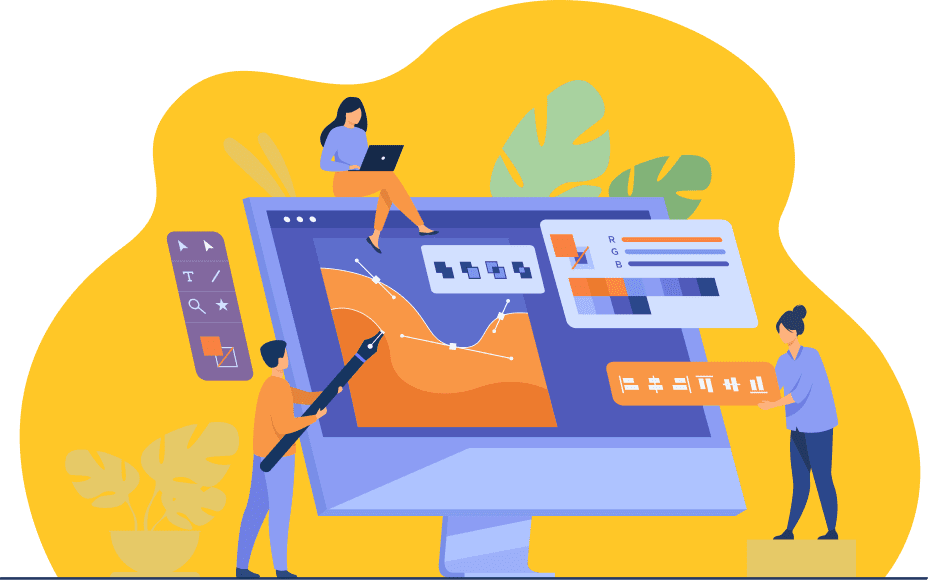
Interface design covers the visual choices that help people read and use a website.
Colours and typography
Choose colours and typefaces that match the brand and stay legible on the devices people use.
A typeface that works in headings may be tiring in long passages. Font size, spacing and colour contrast affect how easily people can read.
Responsive design
Responsive layouts adapt to the screen so the same page can be used on a phone, tablet or desktop.
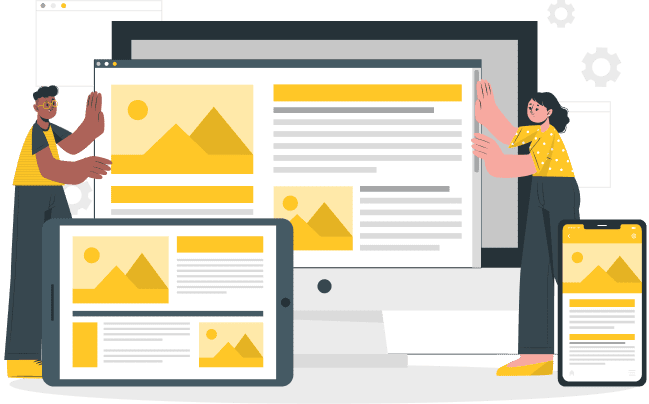
Benefits of a responsive layout
A shared layout is simpler to develop and maintain than a separate site for each type of device. Content updates apply across screen sizes.
Usability improves when content and controls adapt to the device.
How in4byte can help
Our team brings together web developers, graphic designers and web designers. We work directly with clients to agree what their site needs to do.
We can build the site, improve its search visibility and provide managed hosting and maintenance. With WordPress access, you can edit your own content.
Tell us what support you need.

Planning a new website or a redesign?
Tell us about the project and we’ll help you work out the next step.